A curated survey
Interpretations
The song has been recorded by recital sopranos and jazz singers, cabaret voices and solo guitarists. Each reading is also a small argument about what kind of song Youkali is. Below, the readings that have shaped — and continue to shape — the way the song is heard.
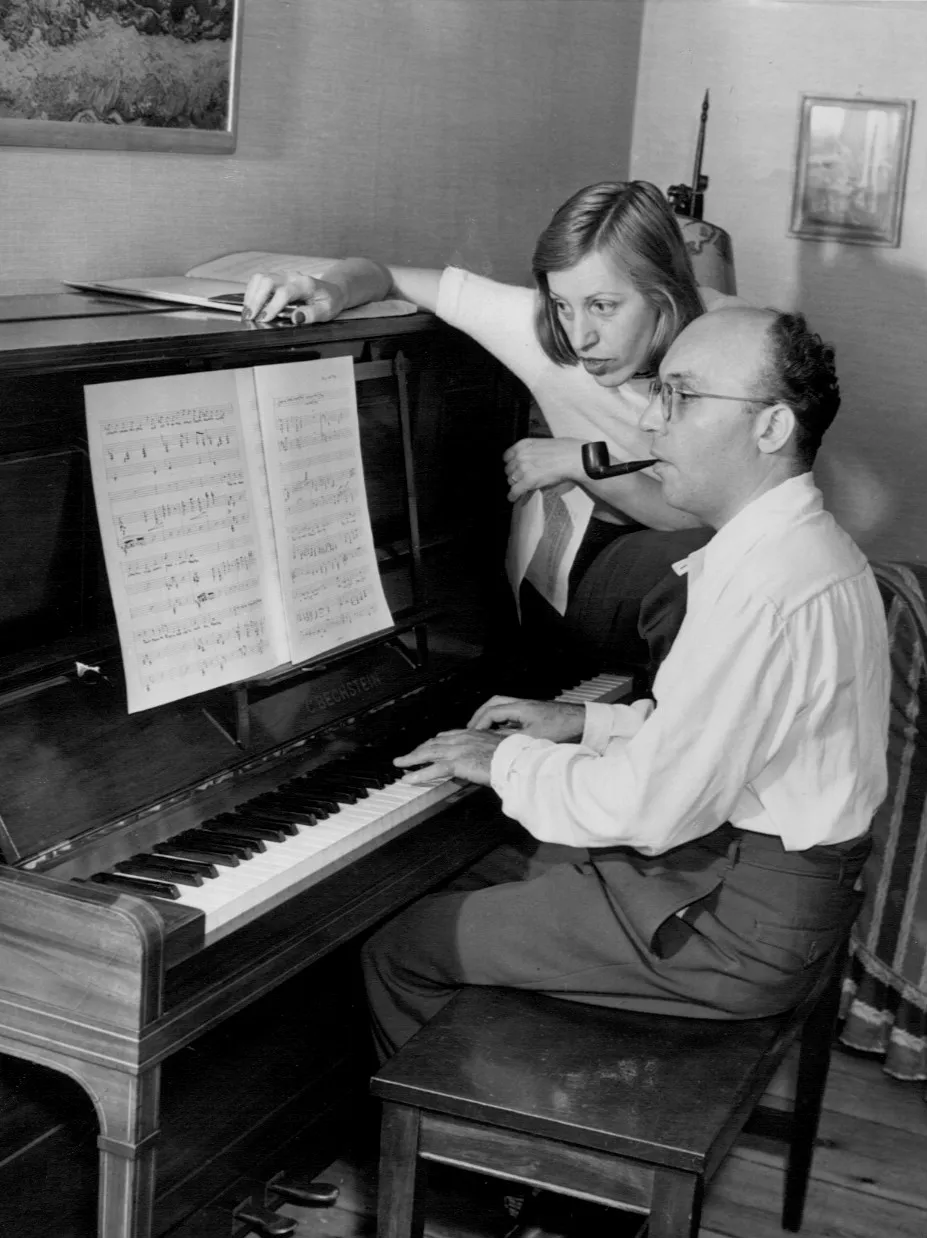
Teresa Stratas
1981 · The Unknown Kurt Weill · Nonesuch · voice and pianoThe first commercial recording, with Richard Woitach at the piano. Stratas had been Lotte Lenya's 'dream Jenny' the year before, and her reading carries Lenya's blessing — restrained, unadorned, with the ache of the line trusted to its own gravity.

Maria Farantouri
1990 · 17 Songs · Minos · voice and ensembleA Greek mezzo-soprano whose career was shaped by Mikis Theodorakis and the songs of political resistance brings Youkali into dialogue with Mediterranean songbook traditions. The exile lyric reads naturally inside her repertoire of displaced and lamenting voices.

Ute Lemper
1991 · Ute Lemper Sings Kurt Weill · Decca · voice and ensembleThe cabaret-theatrical lineage made explicit. Lemper brings the song closer to the German Weimar tradition — diction forward, the tango a stage gesture rather than a salon ornament.

Jim Hall
1992 · Youkali · Telarc · instrumentalThe title track of a Creed Taylor production for CTI, arranged by Jim Pugh for brass, reeds and rhythm section: Hall's guitar leads the reading rather than carrying it alone. Played without its words, the melody stands exposed all the same; you hear how much of the song's pathos lives in the interval and how little depends on the text.

Teresa Stratas (Larry Weinstein, dir.)
1994 · September Songs — The Music of Kurt Weill (film) · Rhombus Media · filmA cinematic re-reading more than a decade after the studio recording: the same singer, looser, more public, the song carried by image as much as by tone.

Dee Dee Bridgewater
2002 · This Is New · Verve · jazzA jazz singer's account: the habanera bass loosens, the line breathes around the beat, and the song becomes a slow, voiced confession. The clearest argument for the song as a jazz standard rather than a recital piece.

Max Raabe & Palast Orchester
2010 · Übers Meer · Decca · voice and ensembleRaabe and the Palast Orchester restore the song to its inter-war salon: a tenor voice held in perfect courtesy, a small orchestra in late-Weimar period costume. The reading is wry without being ironic — the dream is taken seriously even as it is named a dream.

Sven Ratzke & Matangi Quartet
2025 · Tanz auf dem Vulkan · Indépendant · voice and ensembleCabaret voice in dialogue with a string quartet — the most recent of the notable readings. Strings give the tango a chamber-music intimacy, while the voice keeps it bare and theatrical.
The notes themselves — a lead sheet, and the 1946 piano-vocal edition — are on the score page.
More complete discographies are maintained by SecondHandSongs and the Kurt Weill Foundation.